Key Takeaways
- A successful lift starts long before the crane arrives, with a thorough site and load assessment.
- Matching the right crane to the job, rather than using whatever is available, is one of the biggest factors in a safe, efficient lift.
- NCCCO-certified operators and a disciplined rigging process are non-negotiable on every job, large or small.
- Coastal conditions on the Outer Banks, including wind, sandy soil, and tight residential access, demand local experience.
- Clear communication between the operator, riggers, and site contacts prevents the vast majority of lift-related incidents.
- Bonded and insured crews with an on-time guarantee give property owners and contractors confidence the job will be done right.
Since 2017, Albemarle Crane Service has lifted, placed, and moved everything from HVAC units on Kitty Hawk rooftops to steel and structural components on Outer Banks construction sites. Along the way, our crew has learned that a crane operation succeeding or falling short rarely comes down to the size of the machine. It comes down to planning, communication, and a genuine respect for how much can go wrong when heavy loads, wind, and people share the same space.
Below, we walk through the lessons that guide every job we take on, whether it is a same-day emergency call in Nags Head or a multi-day construction lift in Currituck. These are the fundamentals that separate a smooth, on-time job from one that runs into delays, damage, or worse.
It Starts With the Site, Not the Crane
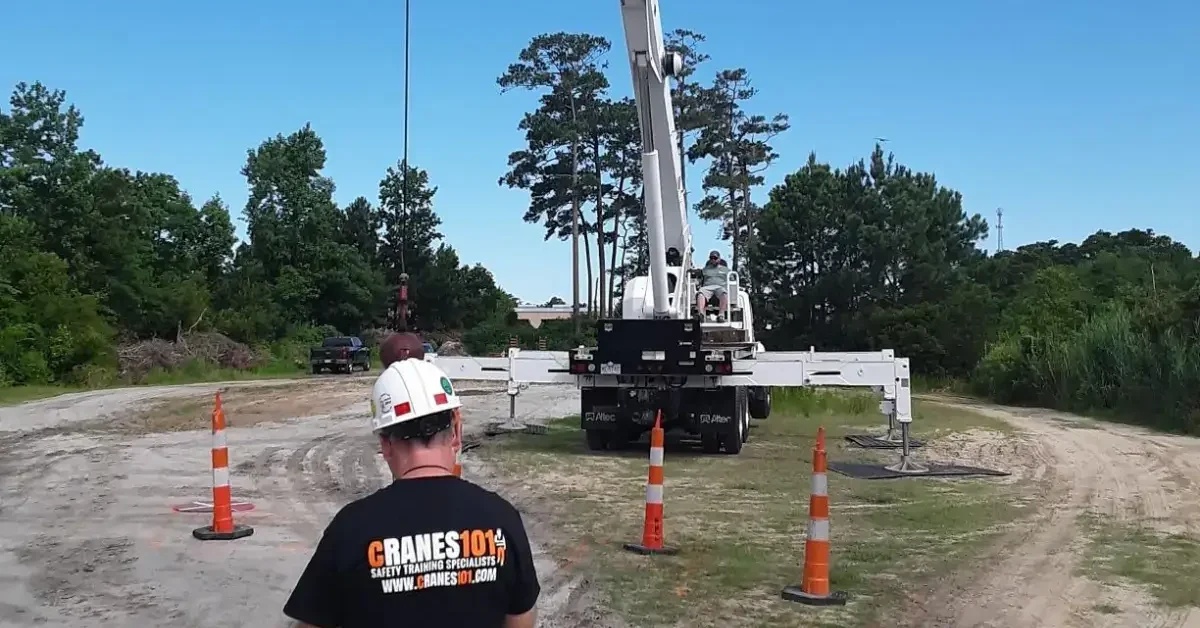
Every successful lift we have ever completed began with a careful look at the site before a single truck rolled in. That means walking the property, checking ground conditions, identifying overhead obstructions like power lines or tree canopy, and confirming there is enough clearance for the crane to set up on outriggers safely.
On the Outer Banks, this step matters more than it might in an inland market. Much of our service area sits on sandy, low-bearing soil that behaves very differently under a loaded crane than compacted clay or gravel would. A crew that skips this assessment, or treats it as a formality, is setting the job up for problems before the lift ever begins. We use outrigger pads and, when conditions call for it, cribbing to spread the load and keep the crane stable on softer ground.
Access is the other half of the equation. Many of the homes and lots we work on in Kitty Hawk, Duck, and Southern Shores have narrow driveways, tight setbacks, or limited turning room. Knowing this in advance lets us choose a crane with a boom length and reach that avoids repositioning mid-job, which saves time and reduces risk.
Matching the Right Crane to the Job
One of the most common mistakes in crane work, and one we make a point of avoiding, is using whatever crane happens to be available rather than the one best suited to the load, reach, and site conditions. A crane that is technically strong enough for a lift but positioned at the edge of its capacity chart leaves very little margin for error. This is why we maintain a range of equipment rather than a single crane for every job.
- Our 26-Ton Altec boom truck crane, built on an International chassis with a 102-foot main boom, is well suited to smaller residential lifts like HVAC replacements, shed placements, and pool equipment.
- For mid-size commercial and construction work, our 55-Ton NBT National crane, mounted on a Peterbilt chassis with a 126-foot boom, gives us the reach and capacity for structural steel and larger material placements.
- When a job calls for serious lifting power, our 100-Ton Link-Belt 86100 mobile crane, with a 140-foot main boom, handles heavier loads and greater working radius without operating near its limits.
Choosing correctly among these options requires understanding the actual load chart for the crane at the specific boom angle and radius the job requires, not just its maximum rated capacity. A crane rated for 100 tons at a short radius may only be rated for a fraction of that at full extension. Operators who understand this distinction, rather than relying on a crane’s headline tonnage, are the ones who keep lifts safe.
Certified Operators and Disciplined Rigging
A crane is only as safe as the person running it. Our team includes NCCCO certified operators, meaning they have met the standards set by the National Commission for the Certification of Crane Operators (NCCCO) for both written knowledge and practical skill. This certification is not a one-time credential; it reflects an ongoing commitment to operating cranes to a consistent, industry-recognized standard rather than relying on informal, on-the-job habits alone.
- Rigging is where a lot of the real risk in crane work lives, and it deserves the same discipline as operating the crane itself. Before any load leaves the ground, our crew confirms the weight of the load, selects rigging hardware rated well above that weight, and checks sling angles, since a shallow sling angle can multiply the actual force on each leg of the rig far beyond what it looks like at first glance. Skipping this step, or eyeballing a load’s weight instead of calculating it, is how otherwise capable crews end up with a dropped or swinging load.
- We also inspect rigging hardware, from shackles to chokers to spreader bars, before every job rather than assuming last week’s inspection still applies. Wear, corrosion, and hidden damage are common in coastal environments where salt air accelerates the breakdown of metal hardware faster than it would inland.
Reading Coastal Conditions Before They Read You
- Wind is the single biggest environmental factor in whether a crane operation goes smoothly on the Outer Banks. A load that is perfectly manageable in calm air can become dangerous to control once gusts pick up, particularly with loads that have a large surface area, like sheds, storage containers, or roofing sections, which catch wind far more than their weight alone would suggest.
- An experienced crane service firm in the Outer Banks, North Carolina builds wind checks into the job from start to finish, not just as a go or no-go decision made once in the morning. Coastal wind can shift quickly, and a lift that started in safe conditions can run into a changing forecast an hour later. Knowing when to pause a lift, reposition, or reschedule rather than pushing through marginal conditions is part of what makes an operation genuinely successful rather than merely lucky.
- Salt air, humidity, and the seasonal storm patterns common to Currituck, Dare County, and the surrounding Barrier Islands also factor into how we maintain our fleet and plan our schedules. Local experience means knowing which weeks of the year call for extra flexibility and which sites need extra attention to ground conditions after heavy rain.
Communication Between Operator, Riggers, & Site Contacts
A crane operator’s view of a lift is often limited, especially once a load is out of direct sightline behind a structure or tree line. This is where a signal person and clear, consistent communication protocols become essential.
- Our crews rely on standardized hand signals and radio communication so that everyone involved, from the operator in the cab to the riggers on the ground to the site contact overseeing the project, is working from the same understanding of what is happening at every stage of the lift.
- Miscommunication, more than mechanical failure, is behind the majority of incidents in crane work industry-wide. A rushed job, an unclear signal, or a ground crew member stepping into a load path because they assumed the lift had paused, these are the failures that a strong communication culture prevents.
- Before any lift begins, we walk the plan with everyone on site: what is being lifted, where it is going, who is signaling, and what the fallback plan is if conditions change.
Why Bonded, Insured, and Local Matters
Being bonded and insured is not just a box to check for liability purposes. It reflects a level of accountability that property owners and general contractors are right to look for before hiring a crane service. If something unexpected happens on a job, whether it is property damage or a scheduling issue, proper coverage protects everyone involved, not just the crane company.
Being locally owned and operated adds another layer of value that is easy to underestimate. Our crew has worked in all major counties across North Carolina such as – Kitty Hawk, Corolla, Coinjock, Moyock, Kill Devil Hills, Nags Head, Rodanthe, Wanchese, Buxton, Duck, Hatteras, Southern Shores, Dare and Pasquotank Counties long enough to know the quirks of specific neighborhoods that need extra planning for crane access. Our local knowledge shortens the learning curve on every new job and reduces the surprises that slow down crews unfamiliar with the area. Get in touch with our team now at – (252) 999-9110 to Book Your Free Estimate !!
Frequently Asked Questions About Crane Operation by the Homeowners in North Carolina
How do I know which size crane my project needs?
The right crane depends on the weight of the load, how far it needs to reach, and the site’s access and ground conditions, not just the load’s weight alone. Our team evaluates all of these factors during a site visit and recommends the crane from our fleet, whether that is our 26-ton, 55-ton, or 100-ton unit, that fits the job with an appropriate safety margin.
Can Albemarle Crane Service handle same-day or emergency lifts?
Yes. We offer same-day service and keep two cranes available 24/7 for situations that cannot wait, from storm-related emergencies to time-sensitive construction schedules.
Do you provide crane service for residential projects, or only commercial and construction jobs?
Both. We regularly handle residential lifts such as HVAC installations, shed and pool placements, storage container moves, and boat handling, alongside larger commercial and industrial construction work throughout the Outer Banks.
How does wind affect whether a lift can happen?
Wind speed and the surface area of the load being lifted both matter. Loads with large flat surfaces, like sheds or roofing sections, are affected by wind more than their weight alone suggests. Our crews monitor conditions throughout the job and will pause or reschedule a lift if wind moves outside a safe range for that specific load.
What areas does Albemarle Crane Service cover?
We serve Kitty Hawk, Corolla, Coinjock, Moyock, Kill Devil Hills, Nags Head, Manteo, Rodanthe, Wanchese, Buxton, Duck, Hatteras, Southern Shores, Avon, Mann’s Harbor, Frisco, Grandy, Shawboro, South Mills, Ahoskie, Plymouth, Sunbury, Knotts Island, Salvo, Waves, Pasquotank County, Dare County, and the surrounding Outer Banks region.
Are your operators certified?
Yes. Our team includes an NCCCO certified crane operator, and we are fully bonded and insured for residential, commercial, and industrial lifting work.
Summary Checklist: What a Successful Crane Operation Requires
| Factor | Why It Matters | Priority |
| Site & Ground Assessment Before Arrival | Confirms load-bearing soil, access, and overhead clearance | High |
| Crane Matched to Load Chart at Actual Radius | Prevents operating near or beyond rated capacity | High |
| NCCCO Certified Operator | Ensures consistent, industry-recognized skill standards | High |
| Calculated Rigging (Weight, Sling Angle, Hardware Rating) | Prevents dropped or uncontrolled loads | High |
| Ongoing Wind and Weather Monitoring | Coastal gusts can change load control during a lift | High |
| Signal Person & Communication Protocol | Reduces miscommunication during lifting operations | High |
| Bonded and Insured Crew | Protects property owners and contractors if something goes wrong | Moderate |
Final Advice
A successful crane operation is rarely about the size of the machine on site. It comes down to planning the lift before the crane arrives, matching the right equipment to the job, keeping certified operators and disciplined rigging at the center of every lift, and staying honest about wind and ground conditions rather than pushing through them. Clear communication ties all of it together, and local experience on the Outer Banks’ unique terrain and weather patterns rounds out what separates a smooth lift from a costly mistake.
Albemarle Crane Service has built its reputation in Kitty Hawk and throughout the Outer Banks on these fundamentals since 2017. With two cranes available 24/7, same-day service, and an on-time guarantee, our NCCCO certified team is ready for residential, commercial, and industrial lifts of nearly any size.
Ready to plan your next lift with a crew that treats every job like it’s on their own property? Call Albemarle Crane Service at – (252) 999-9110 to Book Your Free Estimate !!