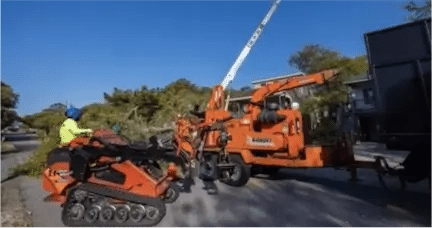
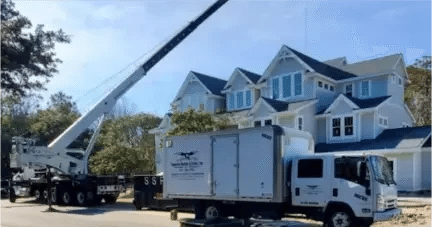
Building or managing a project in the Outer Banks (OBX) often means contending with Mother Nature’s powerful forces. Among these, wind stands out as a critical factor, especially when planning complex lifting operations. How do these unpredictable coastal gusts impact crane scheduling? For Albemarle Crane Service, your premier service provider in the local area, it means applying deep local expertise and stringent safety protocols to ensure every lift is executed safely and efficiently.
Key Takeaways
- OBX wind conditions are highly variable, with significant seasonal differences impacting crane operations.
- Albemarle Crane Service prioritizes safety, adhering to strict wind speed limits and manufacturer guidelines for every lift.
- Local expertise in the Outer Banks is crucial for anticipating weather changes and navigating sandy terrain.
- Proactive scheduling and clear communication help manage potential delays caused by unpredictable coastal winds.
Understanding the Impact of OBX Wind on Crane Operations
The Outer Banks is renowned for its stunning beaches and unique coastal environment. However, this beautiful setting also brings specific challenges for construction and lifting projects. Wind isn’t just a nuisance; it’s a significant operational factor that demands careful consideration for crane services. Ignoring it can lead to safety hazards, costly delays, and compromised project integrity.
Outer Banks Wind Dynamics: What You Need to Know
The OBX experiences distinct wind patterns throughout the year. Knowing these trends helps Albemarle Crane Service plan and execute lifts more effectively, whether you’re building in Nags Head or doing tree removal in Corolla.
- Windiest Season: From October through April, the OBX sees its strongest winds, with average speeds often above 12.4 miles per hour. This period requires extra vigilance and planning.
- Peak Wind Month: January typically stands out as the windiest, averaging 14.6 mph, making it a critical month for crane scheduling.
- Calmer Months: July offers the calmest conditions, with average wind speeds around 10.2 mph, generally providing a wider window for operations.
- Coastal Gusts: Coastal areas, including towns like Kill Devil Hills and Kitty Hawk, frequently experience higher wind speeds and sudden gusts compared to inland regions, demanding constant monitoring.
Safety First: Albemarle Crane Service’s Wind Protocols
Wind directly affects a crane’s stability, the control of its load, and the overall safety of the operation. Even moderate gusts can make a load swing unpredictably. Albemarle Crane Service always puts safety first, following industry best practices and manufacturer guidelines.
Adhering to Wind Speed Limits
Our operators are certified and highly trained to assess wind conditions on-site. We strictly adhere to guidelines that dictate when it’s safe to operate and when to pause or stop. This isn’t just a recommendation; it’s a requirement for safe crane operations across the Outer Banks.
- Caution Zone (0-20 mph): Most operations are safe, but careful monitoring is always in place, especially with large surface area loads.
- High Risk / Capacity Deduction (20-39 mph): Operations become high-risk. We often reduce crane capacity or stop operations when wind speeds consistently exceed 20-22 mph, or if significant gusts occur.
- Full Shutdown (40+ mph): All crane operations cease. The boom is retracted and lowered to ensure the crane’s stability and prevent structural damage or accidents. This applies uniformly across all Dare County project sites.
Comprehensive Safety Considerations
Beyond just wind speeds, we consider several other factors to ensure maximum safety for your project, from Southern Shores to Hatteras Island.
- Load Characteristics: The size, shape, and weight of the load dramatically influence how wind affects it. Large, flat loads act like sails.
- Boom Length: A longer boom increases the crane’s exposure to wind and its susceptibility to wind-induced forces.
- Site-Specific Conditions: Local topography, nearby structures, and even the presence of temporary barriers can create localized wind effects.
- Real-time Monitoring: Our team continuously monitors local weather reports and uses on-site instruments to make informed decisions throughout the lift.
The Albemarle Crane Service Difference: Proactive Scheduling in the OBX
Dealing with the OBX’s unpredictable weather is a core part of what we do. Albemarle Crane Service prides itself on proactive scheduling and transparent communication to minimize project delays and ensure your timeline stays on track. We’ve been serving the Outer Banks since 2017, building a reputation for reliability.
Leveraging Local Expertise
Our team leverages years of experience operating in coastal North Carolina. This isn’t just about reading a weather forecast; it’s about understanding the microclimates and localized effects unique to areas like Duck and Manteo.
- Deep Local Knowledge: We know how wind behaves differently across the barrier islands, from oceanfront to soundside.
- Anticipatory Planning: We don’t just react to wind; we anticipate it, building flexibility into our schedules.
- Sandy Terrain Navigation: Beyond wind, we’re experts at navigating the challenging sandy terrain common in the OBX, using specialized equipment like driveway protection mats to prevent damage to your property.
Our Seamless Service Process
From your initial call to the final lift, our process is designed for clarity and efficiency, even when facing challenging conditions.
- Initial Consultation: We discuss your project details, lifting requirements, and potential site-specific challenges.
- Site Assessment: A certified operator visits your location to evaluate ground conditions, access, and potential wind obstructions.
- Lift Plan Development: We create a detailed plan, including crane selection, rigging, and specific safety protocols for anticipated wind conditions.
- Weather Monitoring: Continuous monitoring of local weather forecasts and real-time wind data leads up to and during the lift.
- Transparent Communication: If wind conditions become a concern, we communicate immediately to discuss options for rescheduling or operational adjustments. Our goal is always to provide same-day service when possible, or a 24/7 emergency response if needed.
Wind Speed and Crane Operation Guidelines
Understanding how various wind speeds impact crane operations is vital for safety and planning. Here’s a general guide that Albemarle Crane Service uses to make informed decisions on your OBX project sites.
| Wind Speed Range (MPH) | Operational Impact |
|---|---|
| 0–12 (Calm to Gentle Breeze) | Generally safe for most operations. Minimal impact on load control. |
| 13–20 (Moderate Breeze) | Load control may be affected, especially with large or awkward loads. |
| 21–31 (Strong Breeze to Moderate Gale) | High risk; significant impact on load control and stability. Operations become unsafe. |
| 32+ (Fresh Gale and above) | Extremely high risk. Severe impact on stability and control. Operations should not proceed. |
Frequently Asked Questions
When are OBX wind conditions typically strongest?
The Outer Banks experiences its windiest period from October to April, with January often being the windiest month. Average wind speeds can reach 14.6 mph during this time. July is typically the calmest, averaging around 10.2 mph.
What wind speeds are unsafe for crane operations?
Most crane manufacturers and safety guidelines recommend stopping operations when sustained wind speeds exceed 20-22 mph. Full shutdowns are often necessary at 32-45 mph or when significant gusts are present to maintain safety and load control.
Does Albemarle Crane Service prioritize safety in windy conditions?
Yes, Albemarle Crane Service emphasizes safety. We adhere strictly to OSHA guidelines and manufacturer specifications regarding wind limits. Our NCCCO certified operators conduct thorough site assessments and lift plans to account for real-time wind conditions.
How does Albemarle Crane Service manage scheduling delays due to wind?
Our team uses local weather monitoring and our extensive experience in the OBX to anticipate wind impacts. We proactively adjust schedules, communicate transparently with clients, and implement specific safety measures to minimize delays and ensure project continuity.
Does local OBX knowledge make a difference in crane service?
Absolutely. Our local expertise means we understand not just the wind, but also the sandy terrain and unique construction needs across Dare County, from Nags Head to Corolla. We bring specialized solutions, like driveway protection mats, to every job.
What if I have an emergency lifting need during high winds?
We offer 24/7 emergency crane services. For urgent needs, especially after storms, our team is ready to respond quickly, bringing the necessary equipment and expertise to address critical lifting requirements safely and efficiently.
Protect Your Project with Experienced Coastal Crane Support
Operating cranes in the Outer Banks requires a deep understanding of its unique coastal environment, especially the powerful and unpredictable wind conditions. Albemarle Crane Service stands as your trusted partner, combining local knowledge with rigorous safety protocols and proactive scheduling to keep your projects moving forward safely and efficiently. Don’t let the wind derail your plans; choose the expertise that understands the OBX best. Contact us today to discuss your lifting needs