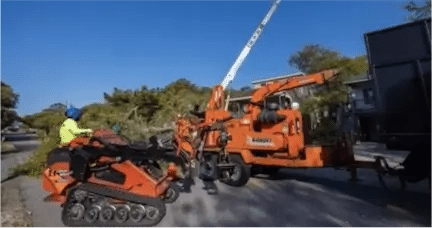
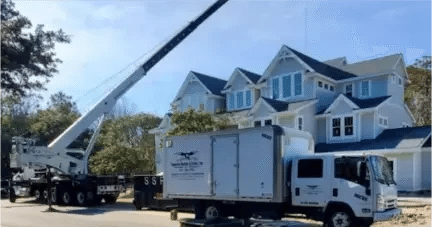
If you plan to operate or transport a crane anywhere in North Carolina, including the Outer Banks (OBX), you will most likely need one or more permits. The North Carolina Department of Transportation (NCDOT) requires oversize or overweight permits for cranes moving on public roads, and local governments often require additional approvals for setup, lifting, or road closures. Even if you are working on private property, certain municipalities and counties require separate activity permits for safety and environmental review.
This guide breaks down the specific permits you may need, who issues them, what documentation to prepare, and how to stay fully compliant in 2025.
Permit Types and When They Are Required
1. Oversize or Overweight Transport Permit
Most mobile cranes transported to job sites exceed North Carolina’s legal limits for vehicle dimensions or weight.
- Required by: NCDOT Oversize/Overweight Permit Office
- When needed: If your crane exceeds 8 feet 6 inches in width, 13 feet 6 inches in height, or a gross vehicle weight of 80,000 pounds
- Apply through: NCDOT’s online Permit Information Management System (PIMS)
- Lead time: 1–5 business days
- Typical cost: $20–$100 per trip; annual blanket permits available for frequent transport
2. Local or City Crane Permit
For cranes operating within cities or towns, a local permit is often required before setup or operation. This includes tower cranes, large mobile cranes, or lifts affecting sidewalks and public rights of way.
- Required by: Local city or county building/transportation departments
- Where applicable: Charlotte, Raleigh, Greensboro, Wilmington, and coastal municipalities in Dare and Currituck Counties (Outer Banks)
- Lead time: 7–14 days
- Typical cost: $75–$500 depending on crane type and project size
3. Right-of-Way (ROW) or Street Closure Permit
Any crane operation that blocks a street, sidewalk, or public path requires ROW approval.
- Required by: Municipal traffic or engineering departments
- Documents needed: Traffic control plan, insurance, schedule, signage plan
- Lead time: 7–14 days
4. Building Department or Lift Plan Permit
Some cities require engineered lift plans or pre-lift safety meetings, especially for multi-story construction or heavy lifts.
- Required by: Building Safety Department or Engineering Office
- Documents needed: Engineered lift plan, site map, operator certification, proof of insurance
5. Specialty Permits (FAA or Environmental)
Projects near airports, waterways, or protected lands may need special approval.
- Required by: Federal Aviation Administration (FAA) or North Carolina Department of Environmental Quality (NCDEQ)
- Lead time: 10–30 days depending on review complexity
Recent Updates for 2025
- All NCDOT applications for oversize and overweight cranes must be submitted online through PIMS. Paper or fax forms are no longer accepted.
- Permit fees have risen slightly due to administrative and inspection costs.
- Urban jurisdictions such as Charlotte and Raleigh now require coordination meetings for large lifts.
- Local governments in the OBX may require site safety verification to prevent utility or environmental risks near coastlines.
Common Misconceptions
1. Only big cranes need permits
Even small mobile cranes must have transport permits if they travel on public highways or impact public property.
2. A private job site means no permits
Private land may not exempt you from municipal or state rules. Coastal counties often review large crane setups for wind, soil, and storm safety.
3. Permits can be handled last minute
Approval can take several days to weeks. Start the process as soon as scheduling is confirmed.
4. Insurance is optional
All applications must include up-to-date insurance certificates, often naming the city or county as an additional insured party.
Best Practices for Crane Permit Management
- Confirm Requirements Early
Before booking a crane, review both NCDOT and local jurisdiction requirements. For OBX or coastal projects, contact the Dare County or Currituck County permitting office for additional guidelines. - Prepare Complete Documentation
Include crane specifications, weight details, operator certifications, lift plans, and insurance. Incomplete applications are the most common cause of delays. - Submit via Official Portals
Use PIMS for state-level permits and local government websites for city or county permits. Always keep digital copies of submission receipts. - Follow Up Regularly
Expect 3–10 business days for standard applications. High-risk or large-scale projects may take up to three weeks. - Maintain Compliance On Site
Keep approved permits, safety plans, and certifications on hand for inspection. Any changes to the scope or schedule should be reported to the permitting authority.
Frequently Asked Questions
Is a crane permit required in the Outer Banks?
Yes. Cranes traveling on public roads in Dare or Currituck County require NCDOT oversize/overweight permits. For on-site lifting near streets or residential areas, local approvals may also apply.
Can I use a crane on private property without a permit?
Only if it does not cross into public space or exceed road transport limits. Always confirm with local building departments to avoid penalties.
Who is responsible for obtaining the permits?
Usually the general contractor or site manager, but most professional crane companies assist in securing them.
Can permits be expedited?
Some jurisdictions offer expedited processing for an additional fee, but only if all required documents are complete and correct.
Safe and Legal Crane Operations in North Carolina
Operating a crane in North Carolina, including the OBX, requires careful planning and proper permits. Whether transporting equipment across highways or performing lifts near public areas, coordination with NCDOT and local authorities ensures compliance and safety.
Partnering with an experienced crane service provider familiar with North Carolina’s permitting process helps avoid delays, fines, and shutdowns: keeping your project efficient, safe, and fully compliant.
Call Albemarle Crane Service today for assistance with crane permits, planning, and safe operations anywhere in North Carolina.